
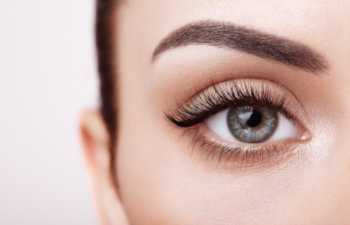
Blepharoplasty, commonly known as eyelid surgery, is a surgical procedure that aims to improve the appearance of the eyelids by removing excess skin, fat and muscle. While it is often sought after for cosmetic reasons to achieve a more youthful and rejuvenated appearance, blepharoplasty can also offer significant benefits to individuals with dermatochalasis, a condition characterized by excess, sagging eyelid skin that can impair vision and cause discomfort. Blepharoplasty can benefit individuals with dermatochalasis, addressing both the aesthetic and functional aspects of the procedure.
Understanding Dermatochalasis
Dermatochalasis is a condition characterized by the excess, sagging skin of the eyelids, which can result from aging, genetics or certain medical conditions. This surplus skin can lead to a range of issues, both functional and aesthetic, impacting an individual’s overall eye health and appearance.
Effects on Eye Function
One of the primary functional effects of dermatochalasis is the obstruction of vision caused by the drooping eyelid skin. As the excess skin hangs over the eyelid margin, it can interfere with the normal field of vision, reducing peripheral sight and making tasks such as reading, driving or watching television more challenging. In severe cases, dermatochalasis can significantly impair daily activities and compromise overall quality of life.
The weight of the redundant eyelid tissue can cause the eyelids to feel heavy and fatigued, leading to discomfort, irritation and even headaches. Additionally, the sagging skin may contribute to dry eye syndrome by obstructing the natural distribution of tears across the ocular surface, resulting in symptoms such as itchiness, burning and redness.
Impact on Appearance
Beyond its functional implications, dermatochalasis can also have a profound effect on the aesthetic appearance of the eyes and face. The excess, baggy skin of the eyelids can impart a tired, aged appearance, making individuals appear older and more fatigued than they actually are. As a result, dermatochalasis can undermine self-confidence and self-esteem, leading individuals to feel self-conscious about their appearance and reluctant to engage in social interactions.
The Transformative Power of Blepharoplasty
Blepharoplasty, also known as eyelid surgery, offers a highly effective solution for individuals with dermatochalasis. The procedure addresses both the functional and aesthetic aspects of the condition. During the procedure, the plastic surgeon removes the excess skin, fat and muscle tissue from the upper and/or lower eyelids, restoring a more youthful and rejuvenated appearance to the eyes.
By eliminating redundant tissue, blepharoplasty improves peripheral vision and alleviates discomfort while enhancing the overall aesthetic harmony of the eyes and face. The procedure can create a smoother, firmer eyelid contour, eliminating the droopy, tired appearance associated with dermatochalasis and giving the eyes a brighter, more alert expression.
Blepharoplasty offers significant benefits for individuals with dermatochalasis, addressing both the functional impairments and aesthetic concerns associated with the condition. By removing the excess eyelid skin and tissue, blepharoplasty can improve vision, alleviate discomfort and enhance the overall appearance of the eyes and face, restoring confidence and self-esteem. If you are experiencing symptoms of dermatochalasis and are considering blepharoplasty, schedule a consultation with facial plastic surgeon Joshua D. Rosenberg, M.D., to explore your options and determine if this procedure is right for you. Call Dr. Joshua Rosenberg’s office in NYC to book your blepharoplasty consultation appointment.
Posted on behalf of
